I turned 41 expecting to feel mostly the same as I did at 39.
Instead, it felt like someone slowly turned the brightness down on everything.
Not sick. Not injured. Just dimmer.
Less energy. More aches. A constant low-level tiredness that coffee couldn’t fix.
I kept waiting for a big solution—a diet, a supplement, a workout plan that would flip a switch.
What actually worked wasn’t dramatic at all. It was a handful of small, almost boring changes.
I’m 46 now, and I feel noticeably better than I did at 41.
Not because I overhauled my life—but because I changed a few specific things that quietly made all the difference.
Here’s what actually moved the needle.
I Started Drinking Water First Thing Every Morning

This sounded too simple to matter. I was wrong.
I keep a water bottle on my nightstand, fill it before bed, and drink the whole thing when I wake up—before coffee, before my phone, before anything else.
Why it helped:
After seven or eight hours of sleep, you’re genuinely dehydrated. Once I fixed that, the morning brain fog mostly disappeared. Mid-morning headaches stopped. I even wanted less coffee during the day.
This takes 30 seconds, costs nothing, and made my mornings immediately better.
If you try only one thing from this list, start here.
I Stopped Eating Dinner Late
I used to eat dinner at 8 or 9 p.m., then snack until bed. I thought it was fine.
It wasn’t.
Now I eat around 6 or 6:30 p.m. and stop eating by 7:30. No special diet—just earlier meals.
The difference in how I wake up is huge. I feel lighter, actually hungry in the morning, and more alert throughout the day.
The first week was uncomfortable. Then my body adjusted fast. Now eating late feels wrong because I can feel the difference the next morning.
I Added a 10-Minute Walk After Lunch
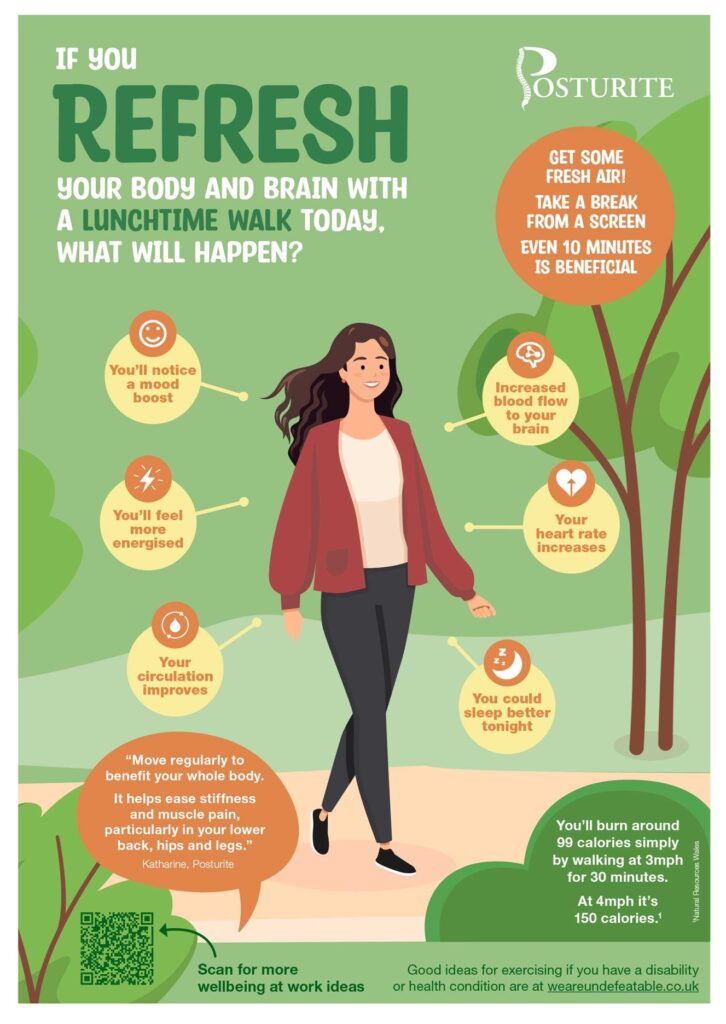
I used to eat lunch at my desk and work straight through.
Now I eat away from my desk and take a 10-minute walk—outside if possible, but anywhere works.
The impact:
That afternoon energy crash I thought was inevitable basically disappeared. I stopped reaching for sugar and caffeine at 3 p.m.
It’s not just the walking. It’s the mental reset.
Ten minutes felt like too much at first, but it saves far more time than it costs.
I Cut My Alcohol Intake to Twice a Week
This was the change I resisted the most.
I enjoyed wine with dinner and told myself it helped me relax. But my sleep was terrible, and my energy never fully recovered.
I limited alcohol to Friday and Saturday only.
Within days:
- Deeper sleep
- Fewer middle-of-the-night wake-ups
- Clearer mornings
- More stable energy
I didn’t quit. I just stopped making it a daily habit—and the difference was bigger than I expected.
I Started Going to Bed at the Same Time Every Night
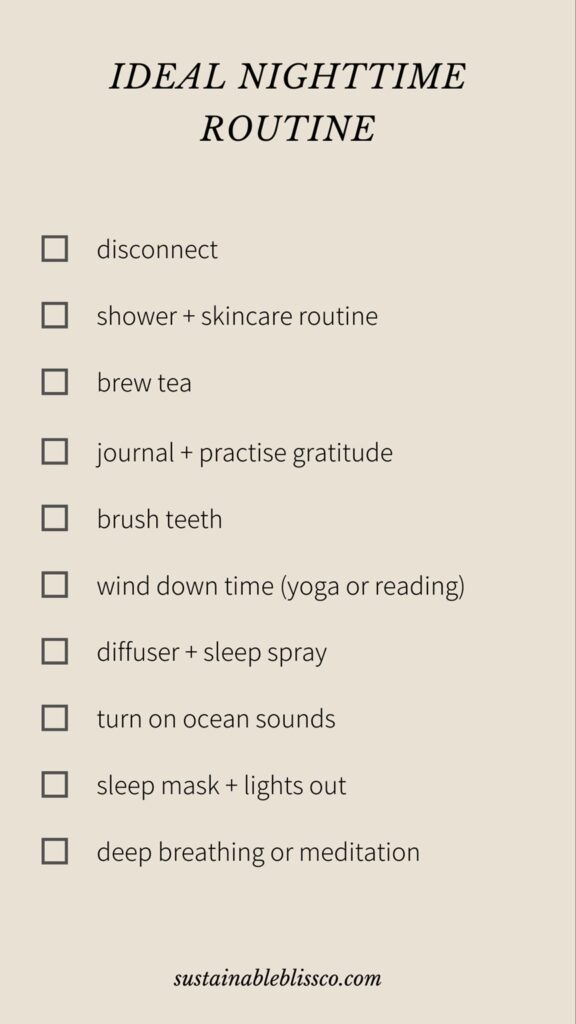
My sleep schedule used to be chaos. Midnight some nights, early others, sleeping in on weekends to “catch up.”
The fix was simple: I picked 10:30 p.m. and treated it as non-negotiable—even on weekends.
Within two weeks:
- I woke up before my alarm
- Afternoon crashes faded
- I needed less caffeine
Consistency mattered more than total hours. Seven hours at the same time beats eight hours all over the place.
I Stretched for Five Minutes Every Morning
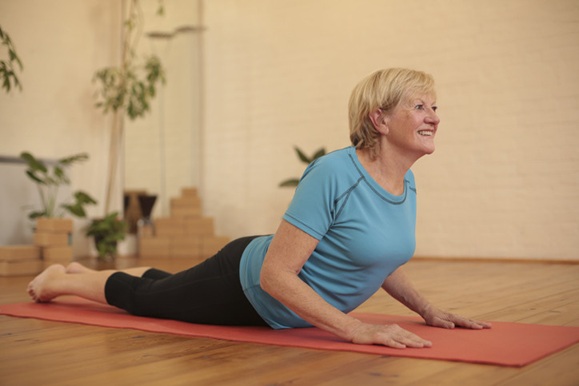
I used to wake up stiff—back tight, shoulders locked.
Now I do five minutes of basic stretching right after waking up. Nothing fancy. Same stretches every day.
The chronic stiffness I thought was “just aging” mostly disappeared.
Daily five minutes beats occasional long sessions every time.
I Stopped Sitting for More Than 90 Minutes Straight
Work requires sitting—but sitting for hours was draining me.
I set a 90-minute timer. When it goes off, I stand up and move for three to five minutes. Walk, stretch, refill water—anything.
This didn’t hurt productivity. It improved it.
Less back pain, better focus, more energy by the end of the day.
What I Learned About Small Changes
None of these habits are impressive on their own.
But together—done consistently—they changed how I feel every day.
The key wasn’t willpower. It was simplicity.
Each change was easy enough to do even on bad days.
You don’t need to do everything at once. Pick one habit, try it for two weeks, then add another. Small changes compound—and that’s where the real difference shows up.
If you want a broader framework for managing health after 40, these may help:
👉 How to Manage Your Health After 40 Without Extreme Diets or Medication
👉 7 Simple Health Habits That Actually Work for Busy Adults Over 40
This article is based on personal experience and general information.
It is not medical advice. Always consult a qualified professional for health concerns.