I’ve tried every complicated health plan out there.
Detailed meal prep schedules.
Exercise programs with phases and progressions.
Sleep optimization protocols.
Supplement regimens that required spreadsheets to track.
They all had one thing in common: I quit after a week.
The problem wasn’t motivation or discipline.
The problem was that these plans required me to become a completely different person with unlimited time and mental energy.
I’m not that person. I’m just someone in my mid-40s trying to feel decent while managing a full life.
What actually worked wasn’t complicated at all.
It was almost embarrassingly simple.
If you hate complicated health plans but still want to feel better, these are the practical habits that actually stick.
Stop When You’re Full, Not When Your Plate Is Empty
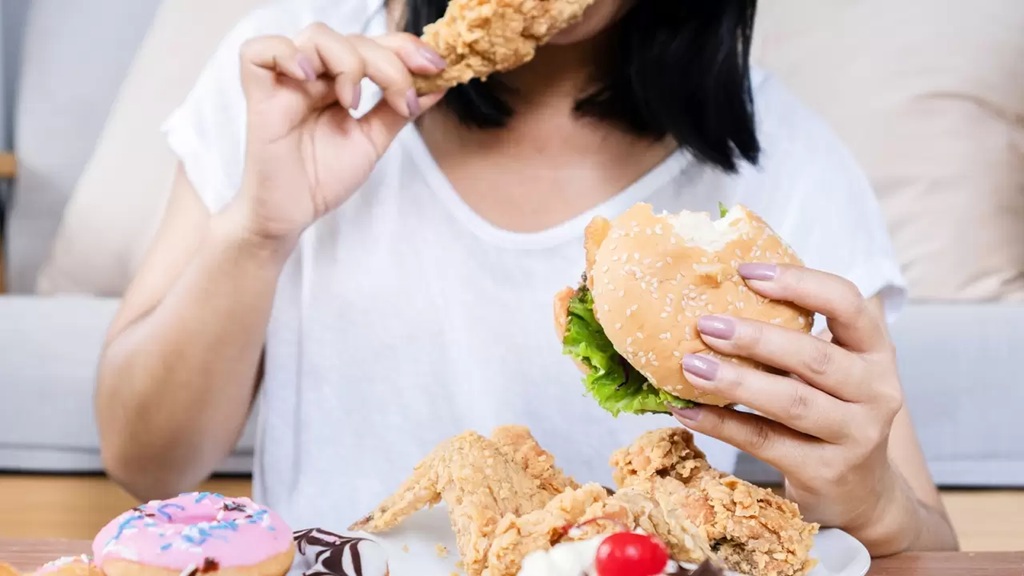
I was raised to clean my plate, and I carried that habit into adulthood without questioning it.
The result was eating past fullness at almost every meal, then feeling heavy and tired afterward.
What changed was simple:
I started paying attention to when I actually felt satisfied and stopped eating there—even if food remained on my plate.
This isn’t dieting or restriction. It’s eating until you’re satisfied instead of until the food is gone.
The difference in how I feel after meals is huge: more energy, less sluggishness, and no need to “recover” after eating.
Keep a Water Bottle With You Everywhere

I was chronically dehydrated for years without realizing it.
Coffee in the morning. Nothing until lunch. Maybe one glass of water in the afternoon. Wine with dinner.
The fix was almost laughably easy:
I bought one large water bottle and kept it with me everywhere—desk, car, nightstand.
No apps. No tracking.
When it’s empty, I refill it.
Fewer headaches, better focus, steadier energy—all from drinking water consistently throughout the day.
Walk Whenever You Have a Choice

This isn’t about exercise walks or step goals.
It’s about choosing to walk when you have the option:
- Parking farther away
- Taking the stairs for a few floors
- Walking during phone calls
- Walking short errands instead of driving
This adds movement without creating another task on your to-do list.
Walking stopped feeling like “exercise” and started feeling like just how I move through my day—and that made it sustainable.
Go to Bed Before You Feel Tired
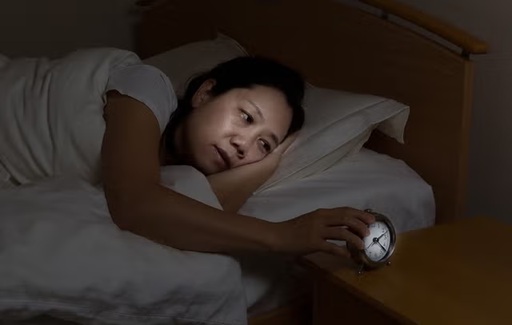
I used to wait until I felt exhausted to go to bed.
By then, I was overtired and wired.
Now I go to bed at the same time every night—10:30 p.m.—whether I feel tired or not.
Consistency matters more than how tired you feel in the moment.
When your body knows when sleep is coming, everything gets easier: falling asleep, staying asleep, and waking up.
Eat Protein at Every Meal Without Overthinking It
Adding protein to every meal fixed my energy crashes completely.
I don’t track amounts or hit targets. I just make sure something with protein is present—eggs, yogurt, chicken, fish, beans, nuts, cheese.
This one habit stabilized my appetite and eliminated the constant hunger that led to overeating later.
It’s not a high-protein diet.
It’s just balanced eating.
Keep Healthy Food Visible and Junk Food Hidden
I stopped relying on willpower.
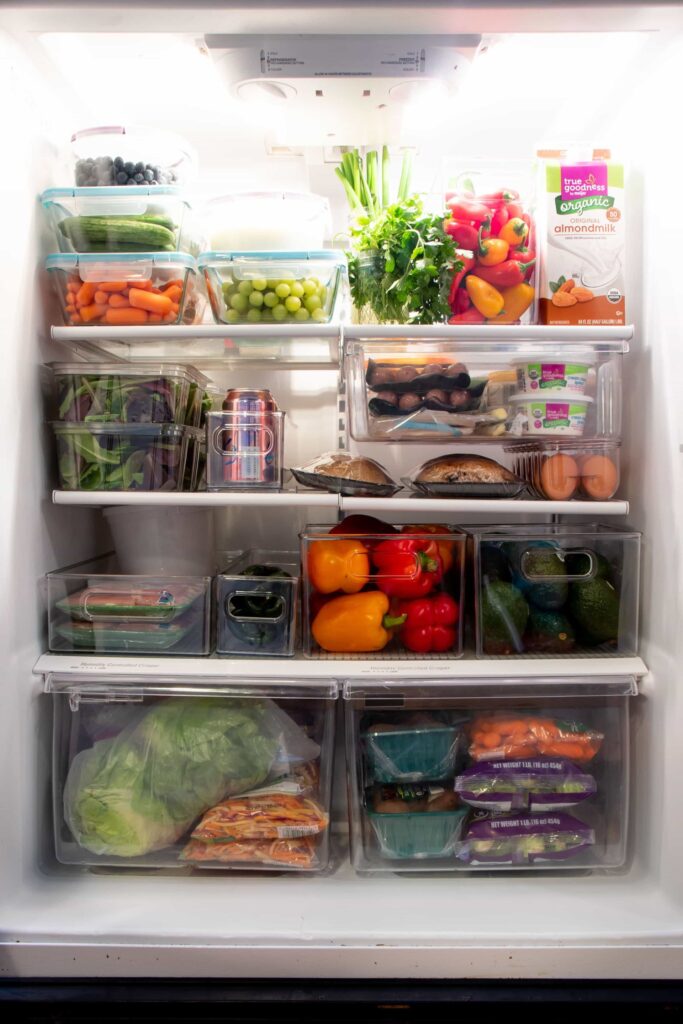
Healthy foods live at eye level in my fridge.
Less healthy options go to the back of the pantry.
When I’m tired and hungry, I grab what’s easiest and most visible.
Changing the environment changed my behavior automatically.
Address Aches Immediately Instead of Waiting
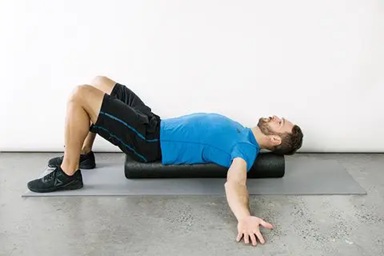
Ignoring minor pain used to turn small issues into big ones.
Now, when something hurts, I deal with it the same day:
- Ice for inflammation
- Heat for tightness
- Stretching for stiffness
- Rest for overuse
After 40, early action prevents bigger problems later.
What “Simple” Actually Means
None of these tips require tracking, planning, or complicated systems.
They’re just small adjustments:
- Stop when you’re full
- Drink water consistently
- Walk when you can
- Same bedtime every night
- Protein at every meal
- Make healthy choices easier
- Deal with problems early
Simple habits become automatic—and automatic habits last.
If you want a broader framework for managing health after 40, these may help:
👉 How to Manage Your Health After 40 Without Extreme Diets or Medication
👉 7 Simple Health Habits That Actually Work for Busy Adults Over 40
Simple and consistent beats complicated and temporary every single time.
This post shares personal experience and general information.
It is not medical advice. Consult a qualified professional for individual health concerns.