There’s a strange shift that happens in your 40s.
Suddenly, people start talking about joint supplements, early bedtimes, and what hurts when they wake up. Around 43, I felt caught between still feeling capable and realizing my body was quietly keeping score.
Most advice felt like it was written for someone much older. I wasn’t ready to think of myself as “aging,” but I also couldn’t pretend my body worked the same way it did at 30.
What I needed was a middle ground — real ways to take care of my body without feeling fragile, old, or boring.
This is what actually worked.
Move Your Body Like You Still Use It (Because You Do)
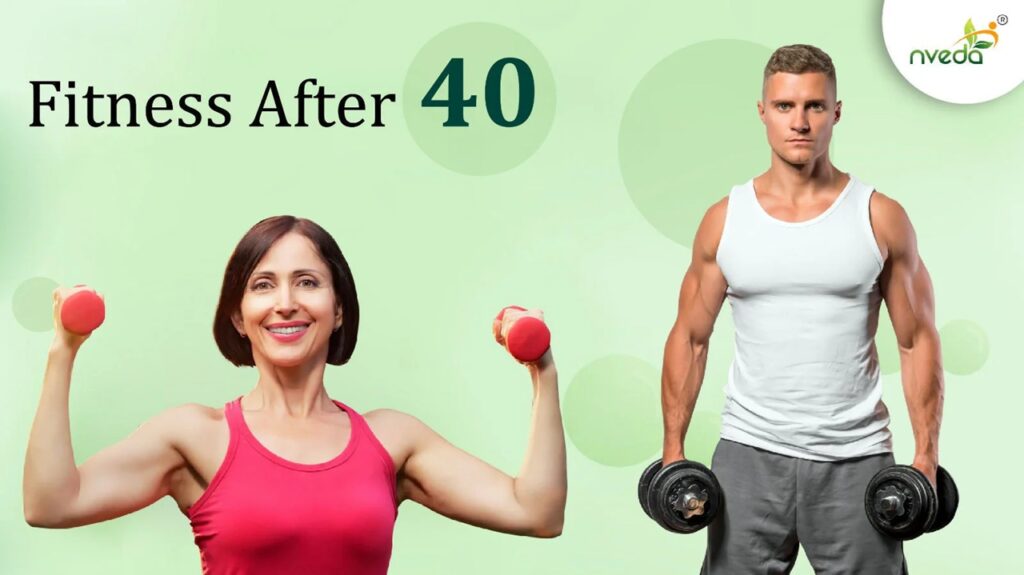
The worst advice I got was to “take it easy.”
Being careful matters — but treating yourself like you’re fragile makes you fragile.
I’m not training for marathons. I just keep doing normal physical things:
- Carrying groceries
- Taking the stairs
- Yard work
- Playing with kids or a dog
The difference now is how I do them. I lift properly. I stretch when something feels tight. I ask for help with genuinely heavy tasks instead of being stubborn.
Movement isn’t wear and tear — it’s maintenance.
When I stopped moving because I was “preserving myself,” everything got worse.
Stop Eating Like a Teenager (Without Becoming Boring)
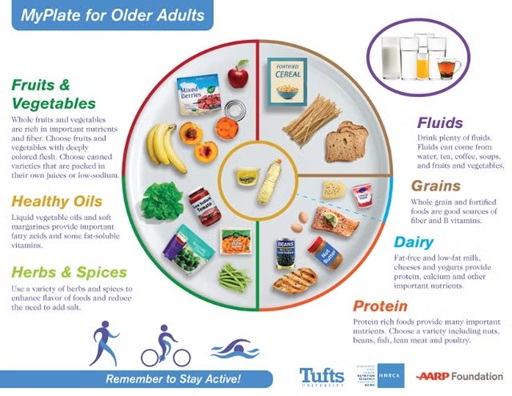
Somewhere around 41, my body stopped forgiving bad food habits.
I wasn’t interested in dieting or tracking macros — but I couldn’t ignore how I felt anymore.
The balance I found:
- Eat real food most of the time
- Stop skipping meals (especially breakfast)
- Cut back on alcohol being a daily habit
And yes — I still eat pizza, burgers, and dessert. Just not every day.
The goal isn’t restriction. It’s noticing how food affects your energy, sleep, and mood — and adjusting before everything feels off.
Sleep Like It’s Part of the Job
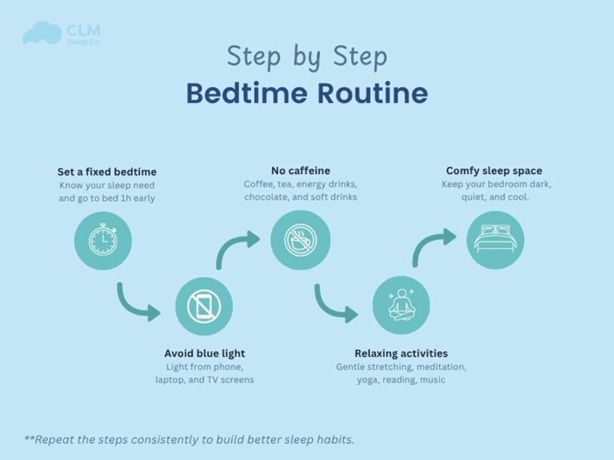
I resisted this one the longest because caring about sleep felt “old.”
But I was already tired all the time.
What changed everything:
- Same bedtime most nights
- Screens off about an hour before bed
- Dark, cool bedroom
The result wasn’t subtle. Better mood, clearer thinking, and more stable energy during the day.
Staying up late stopped feeling like freedom and started feeling like sabotage.
Deal With Small Issues Before They Grow
In my 30s, I ignored aches until they went away.
In my 40s, ignoring them just made them stick around.
Now:
- Tight back → stretch that day
- Sore knee → rest and ice early
- Feeling run down → actually rest
I keep basic tools around — heating pad, ice pack, foam roller — not because I’m falling apart, but because early action works.
The same goes for checkups. Not because something’s wrong, but because prevention beats repair every time.
Stay Connected to People, Not Just Screens
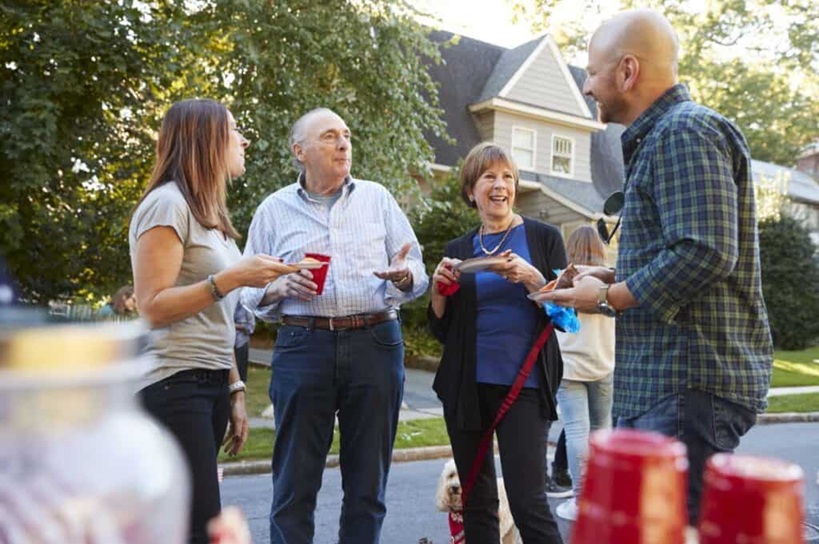
This surprised me.
When I spent all my free time isolated and on screens, everything felt harder. My mood dropped, I moved less, and my habits got worse.
What helped:
- Saying yes to social plans more often
- Calling instead of just texting
- One regular weekly activity
For me, it’s a simple card game with neighbors.
Connection affects health indirectly but powerfully — sleep, motivation, and daily movement all improve when you’re not isolated.
Keep Doing New Things (Even Small Ones)
The fastest way to feel old is to stop trying new things.
Not big reinventions — just small changes:
- A new recipe
- A beginner class
- A different walking route
New experiences keep you engaged with life instead of just repeating routines. That mindset matters more than most people realize.
What Actually Matters in Your 40s
Taking care of your body in your 40s isn’t about managing decline.
It’s about recognizing that:
- Sleep matters more
- Food has faster consequences
- Small problems need early attention
- Staying engaged keeps you feeling capable
You’re not old. You’re just not 25 anymore — and that’s fine.
If you want a broader, experience-based approach to this, these may help:
👉 How to Manage Your Health After 40 Without Extreme Diets or Medication
👉 7 Simple Health Habits That Actually Work for Busy Adults Over 40
This article is based on personal experience and general observations.
It is not medical advice. Always consult a qualified professional for health concerns.