I used to think sleep problems were just part of getting older.
Around 42, I started waking up at 3 a.m. most nights, staring at the ceiling while my mind raced through work deadlines and unfinished tasks. I’d usually fall back asleep around 5:30, only to drag myself out of bed an hour later feeling worse than when I went to bed.
I tried the usual advice—chamomile tea, meditation apps, cutting caffeine after noon. Some of it helped a little. Most of it didn’t stick, because it either required too much planning or felt like adding another responsibility to an already full day.
What actually made a difference wasn’t willpower or perfect routines.
It was a few simple tools that fit into my life without turning better sleep into a second job.
🌿 Related: How to Manage Your Health After 40 Without Extreme Diets or Medication
A Simple Sleep Tracker (Used Without Obsession)
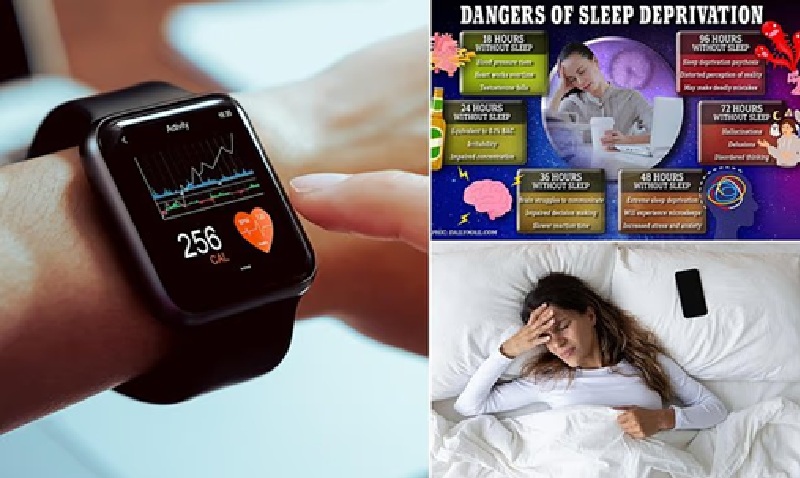
I avoided sleep trackers for years because I didn’t want another device telling me my sleep was bad.
When I finally tried a basic one, it helped in a way I didn’t expect. I didn’t analyze every metric or worry about REM cycles. I just looked for patterns.
I noticed I slept worse on nights when I had wine after 8 p.m., even though I thought it helped me relax. I also slept better on days when I took a short walk after lunch—something I’d been doing inconsistently.
I checked the data maybe once or twice a week. That was enough.
The value wasn’t precision. It was awareness.
Blackout Curtains (Unexciting, but Effective)
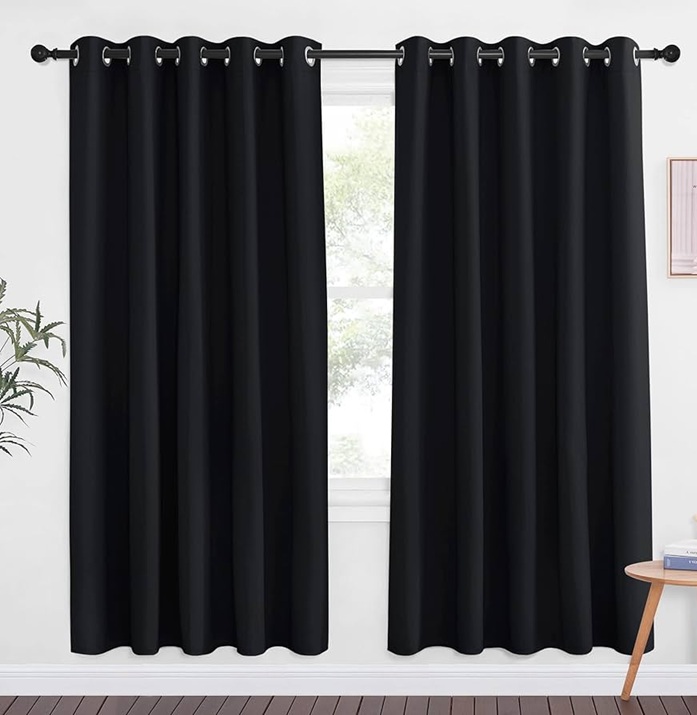
I assumed my bedroom was dark enough. It wasn’t.
Streetlights, early morning light, and small light leaks were enough to disrupt my sleep more than I realized. Installing basic blackout curtains made an immediate difference.
I woke up less often, and when I did wake up, I fell back asleep faster.
Nothing fancy—just curtains that actually blocked light.
This wasn’t about perfection. It was about removing a problem I’d underestimated for years.
A Fan for Noise and Temperature
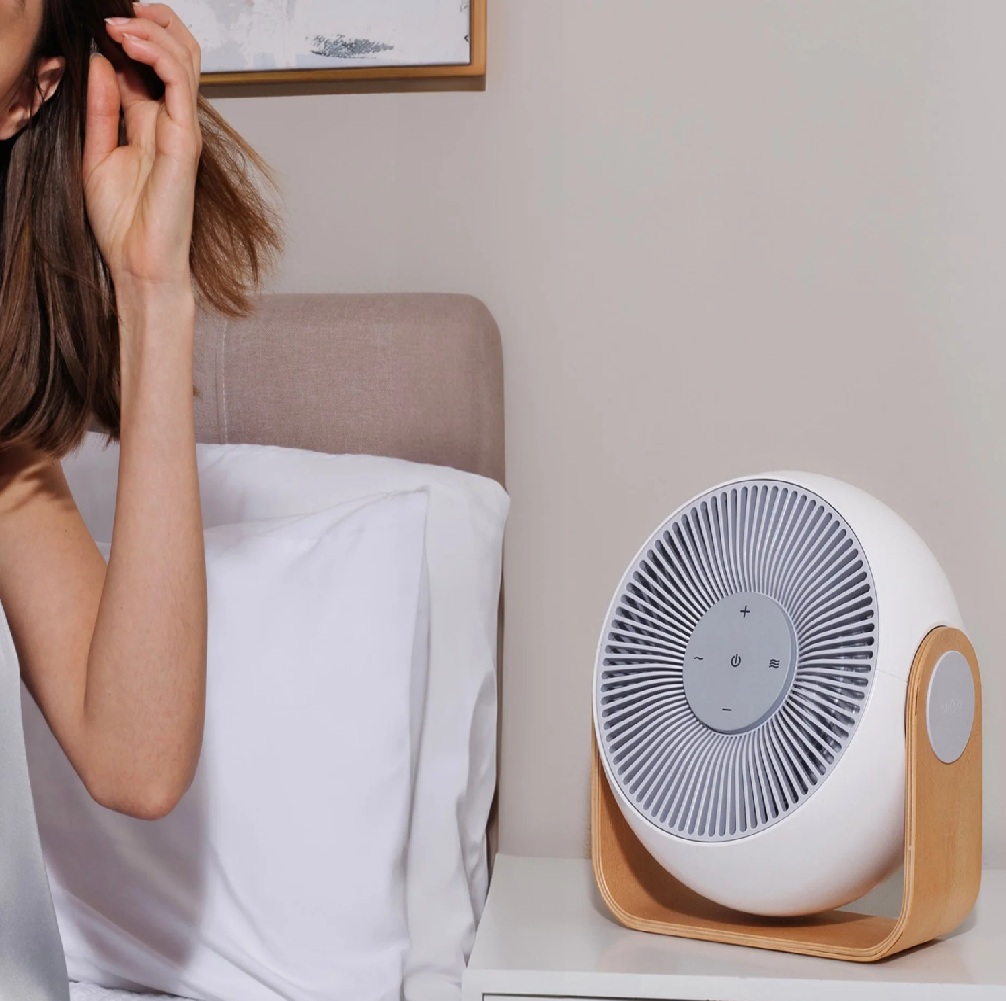
I never thought of myself as someone who needed white noise.
But a fan turned out to be one of the most helpful tools I added. The steady sound masked unpredictable noises—cars, neighbors, someone getting up for water. It also kept the room cooler.
I used to keep the bedroom too warm because I hate feeling cold. Cooler air, it turns out, meant deeper sleep. The fan solved both issues without complicated machines or constant thermostat adjustments.
Now it runs every night, even in winter.
A Notepad on the Nightstand

This one surprised me.
Most of my middle-of-the-night wake-ups were driven by thoughts I didn’t want to forget—emails to send, appointments to schedule, loose ends from the day.
Instead of holding those thoughts in my head, I started writing them down. Just a few words. Ten seconds.
Once it was written, my brain usually let it go. I wasn’t journaling or solving problems at 3 a.m. I was just unloading the thought so I could sleep again.
Earlier, Dimmer Evenings (Not Perfect, Just Better)
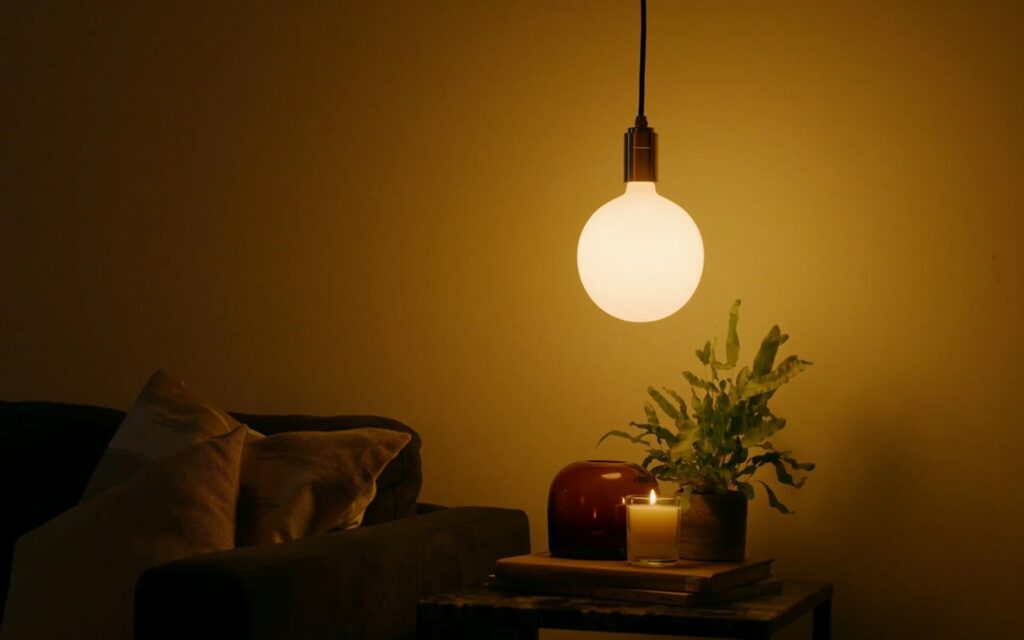
This was less about buying something and more about adjusting habits.
I used to work on my laptop until late, then expect to fall asleep immediately. That rarely worked.
What helped was shifting evenings earlier and dimmer. Finishing work around 9 p.m. most nights, lowering lights, using lamps instead of overhead lighting, and keeping screens dim when I needed them.
It wasn’t perfect. Some nights still ran late. But on the nights I managed this, I fell asleep faster and slept more soundly. The light change seemed to signal to my body that the day was actually ending.
What Didn’t Work (And Why That Matters)
Some things didn’t help at all.
Strict sleep schedules fell apart as soon as life interfered.
Expensive pillows made no noticeable difference.
Sleep supplements left me groggy without improving sleep quality.
I’m mentioning this because most advice articles only list successes. That creates the illusion that everything should work if you try hard enough. In reality, some things help, some don’t, and some help briefly before losing their effect.
That’s normal.
What Actually Made the Difference
Better sleep after 40 wasn’t about finding one perfect solution.
It was about identifying what was actually disrupting my sleep—light, noise, temperature, mental clutter—and addressing those issues in small, sustainable ways.
None of these tools are complicated or expensive. None require a major lifestyle overhaul. They’re just practical adjustments that fit into a normal, busy life.
Sleeping a little better didn’t fix everything.
But it made everything else easier.
🌿 Also read: 7 Simple Health Habits That Actually Work for Busy Adults Over 40