I spent most of my early 40s looking for a health routine that would actually stick.
I’d read about people who woke up at 5 a.m. to meditate, work out, and cook elaborate breakfasts before work. That person was never going to be me.
The reality of working full-time, managing responsibilities, and trying to have some kind of life outside of work doesn’t leave much room for impressive routines. What I needed wasn’t something that looked good on paper — I needed something so simple I’d actually do it, even on my worst days.
This is what a realistic daily health routine looks like when you’re over 40 and working full-time.
Morning: Keep It Simple and Consistent
I used to think mornings had to be productive and energetic. They don’t.
What I actually do:
- Wake up at the same time every day (even weekends)
- Drink a full glass of water
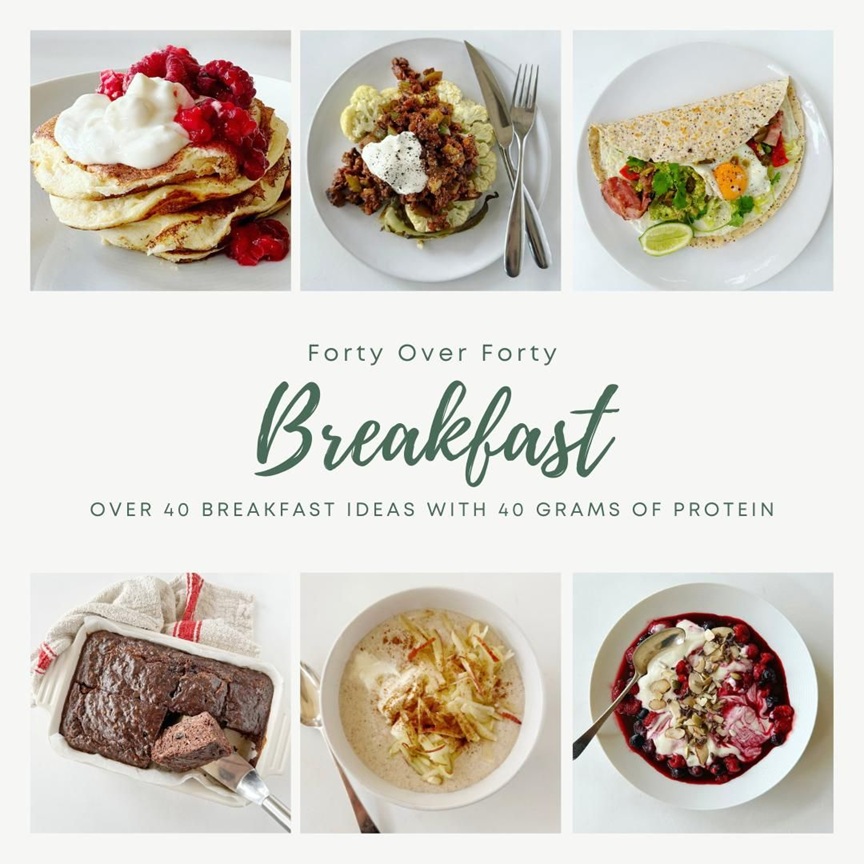
- Eat something with protein — eggs, yogurt, or anything quick
No workouts. No meditation. No complicated plans.
The consistency matters more than motivation. When my wake-up time stopped changing every day, my energy stabilized. Waking up became easier, and I stopped feeling behind before the day even started.
Skipping breakfast used to feel efficient. In reality, it made me irritable and desperate for sugar by mid-morning. A simple protein-based breakfast keeps everything steady until lunch.
Mid-Morning: Hydration and Movement Check

This used to be where my day quietly went off the rails.
I’d sit for hours, drink only coffee, and wonder why I felt foggy by noon.
What changed:
I set two alarms — one at 10 a.m. and one at 11:30 a.m.
When they go off, I:
- Stand up
- Walk or stretch for 3–5 minutes
- Drink water
That’s it.
Breaking up long sitting periods makes a noticeable difference. My back hurts less, my focus improves, and I don’t hit that drained feeling before lunch. The key is making it automatic so there’s no decision involved.
Lunch: Take a Real Break

Working through lunch felt productive. It wasn’t.
Now I stop working, leave my desk, and take at least 30 minutes. I eat actual food, not snacks, and then take a short walk — 10 to 15 minutes at a normal pace.
This isn’t exercise. It’s a reset.
When I skip this, the afternoon is brutal. When I don’t, I can actually focus past 3 p.m. That short break gives me more energy than pushing through ever did.
Afternoon: The 3 p.m. Energy Check
Around 2:30 or 3 p.m., I do two things on purpose:
- Eat a planned snack with protein (nuts, yogurt, cheese)
- Drink more water
Then I stand up and move for a few minutes.
This prevents the crash I used to think was inevitable. Most afternoon slumps are just dehydration, low blood sugar, and too much sitting — all fixable.
Evening: Wind Down, Don’t Power Down
Evenings used to be where I gave up.
Now I keep it simple:
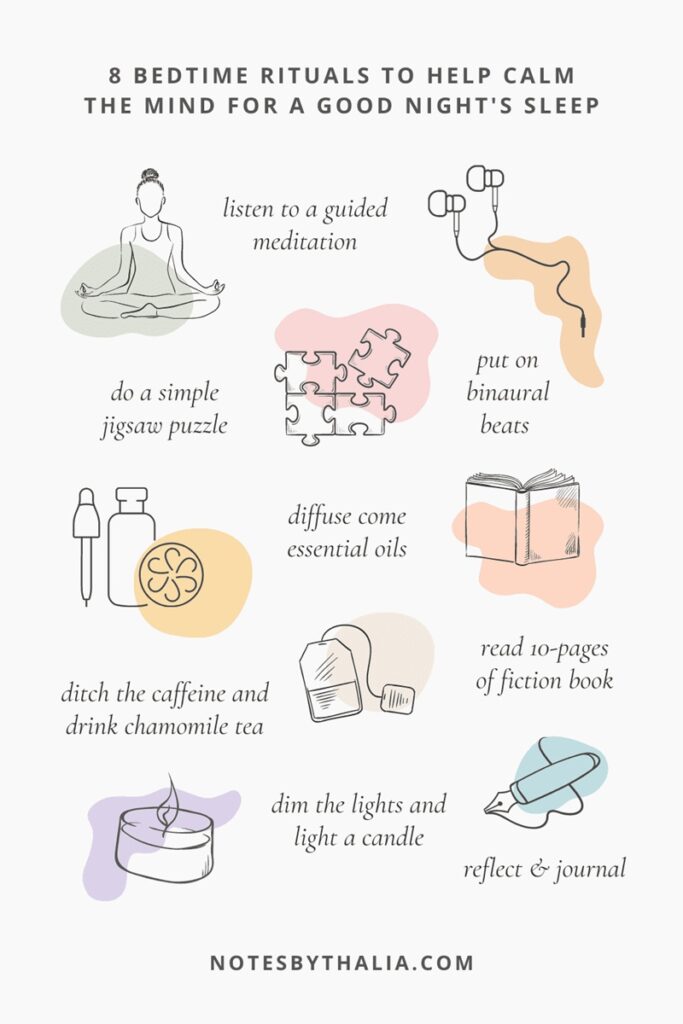
- Eat dinner at least two hours before bed
- Do 5 minutes of light stretching
- Reduce screen use about an hour before sleep
The stretching is basic — hips, lower back, shoulders, neck. I usually do it while watching TV. It doesn’t need to be formal to be effective.
Cutting back on screens before bed was hard, but it made falling asleep much easier.
Night: Same Bedtime, No Exceptions
This is the non-negotiable part.
I go to bed at the same time every night — 10:30 p.m. for me. Weekends included.
Before this, my sleep was chaos. Late nights, early mornings, sleeping in to “catch up.” I was always tired and couldn’t figure out why.
Consistency fixed more than I expected: better mood, clearer thinking, fewer headaches, and more stable energy throughout the day.
Why This Routine Actually Works
None of this is impressive.
But together, these small habits make the difference between barely getting through the day and having energy left for your life.
If you want a broader, experience-based approach to managing health after 40, this article may help:
👉 How to Manage Your Health After 40 Without Extreme Diets or Medication
You may also find this helpful for day-to-day habits:
👉 7 Simple Health Habits That Actually Work for Busy Adults Over 40
This post shares personal experience and general information. It is not medical advice. Always consult a qualified professional for health concerns.