I’ve watched friends go through dramatic health transformations that last three months before collapsing.
Intense workout programs.
Strict diets.
Complete lifestyle overhauls.
They look impressive while they last. Then real life takes over, motivation fades, and everything quietly falls apart.
I did this myself for years.
I’d commit fully, follow the plan perfectly for a while, then get tired, busy, or frustrated—and end up right back where I started, feeling like I’d failed again.
The problem wasn’t discipline.
The problem was chasing short-term results instead of long-term systems.
After 40, quick fixes stop working. What works is building habits you can realistically maintain for years.
I’m 48 now, and I feel better than I did at 43—not because I transformed my life, but because I stopped chasing transformation and started building something sustainable.
This is what a realistic, long-term health approach actually looks like.
Build Around What You’ll Actually Do (Not What Sounds Impressive)

The biggest mistake I made was choosing habits based on what seemed most effective instead of what I’d actually stick with.
Morning workouts at 5 a.m.
Strict meal prep routines.
Perfect weekly schedules.
They all failed.
What worked long-term was being honest with myself.
I accepted that:
- I’m not a gym person
- I won’t meal prep every Sunday
- My schedule isn’t predictable
So I built habits that fit my real life:
- Walking during lunch breaks
- Simple, repeatable meals
- Moving throughout the day instead of formal workouts
If you want a strong foundation, start here:
👉 How to Manage Your Health After 40 Without Extreme Diets or Medication
Consistency Beats Intensity Every Time

I used to believe progress required intensity.
Hard workouts.
Strict rules.
Pushing through exhaustion.
What I learned is this: moderate effort, done consistently, wins.
A 10–15 minute walk every day beats a workout you only manage once a week.
Eating reasonably well most days beats eating perfectly for two weeks and quitting.
This idea shows up repeatedly in my experience:
👉 Small Health Changes That Made a Big Difference After 40
Consistency isn’t exciting—but it compounds.
Stop Aiming for Transformation. Aim for Maintenance.
One mindset shift changed everything for me:
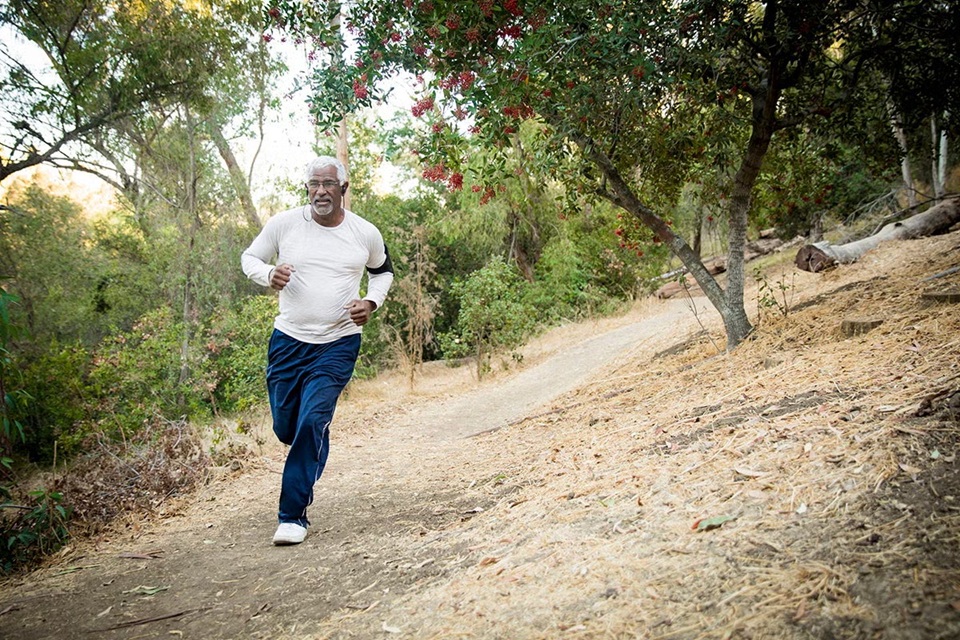
Health isn’t about transformation. It’s about maintenance.
There’s no finish line where you “arrive” and stop trying.
Long-term health looks like:
- Eating balanced meals most of the time
- Sleeping consistently
- Moving regularly
- Addressing small problems early
Not perfection. Just maintenance.
This mindset is especially important if you don’t want to feel old while taking care of yourself:
👉 How to Take Care of Your Body in Your 40s Without Feeling Like a Senior
Design Your Environment So Healthy Choices Are Automatic

Willpower is unreliable. Environment isn’t.
Instead of trying harder, I changed defaults:
- Water bottle always visible
- Healthy food at eye level
- Walking built into my day
- Bedtime alarm set every night
This removed dozens of daily decisions.
Many of the most practical habits I rely on now are covered here:
👉 Practical Health Tips for Middle-Aged Adults Who Hate Complicated Plans
Prioritize Sleep Above Almost Everything Else
I resisted this for years because it felt restrictive.
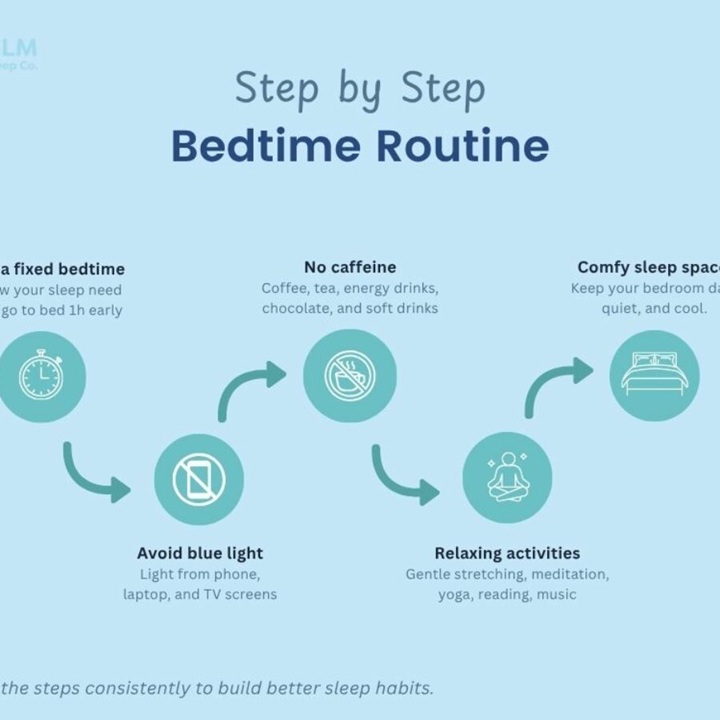
But once I made sleep non-negotiable—same bedtime every night, including weekends—everything else improved:
- Energy
- Mood
- Focus
- Food choices
Sleep is the foundation. Without it, every other health habit becomes harder.
If this resonates, you’ll also relate to:
👉 7 Simple Health Habits That Actually Work for Busy Adults Over 40
Build Flexibility Into the System

Rigid plans break. Flexible systems survive.
I plan for:
- 5 good days out of 7
- Built-in rest
- Minimal habits on chaotic days
This approach keeps me consistent even when life gets messy.
It’s the same philosophy I follow while working full-time:
👉 How I Manage My Health in My 40s While Working Full-Time
What Long-Term Results Actually Look Like
Long-term results aren’t dramatic.
They look like:
- Feeling good more days than not
- Having steady energy
- Not being limited by your body
At 48, I’m not chasing peak performance.
I’m maintaining a level of health I can realistically sustain for decades.
That’s the real win.
If you’ve made it this far, here’s the simple path forward:
- Pick one habit you can truly sustain
- Practice it until it’s automatic
- Add the next one
Slow progress that lasts beats fast progress that disappears—every single time.
This article is based on personal experience and general observations.
It is not medical advice. Always consult a qualified professional for health concerns.